
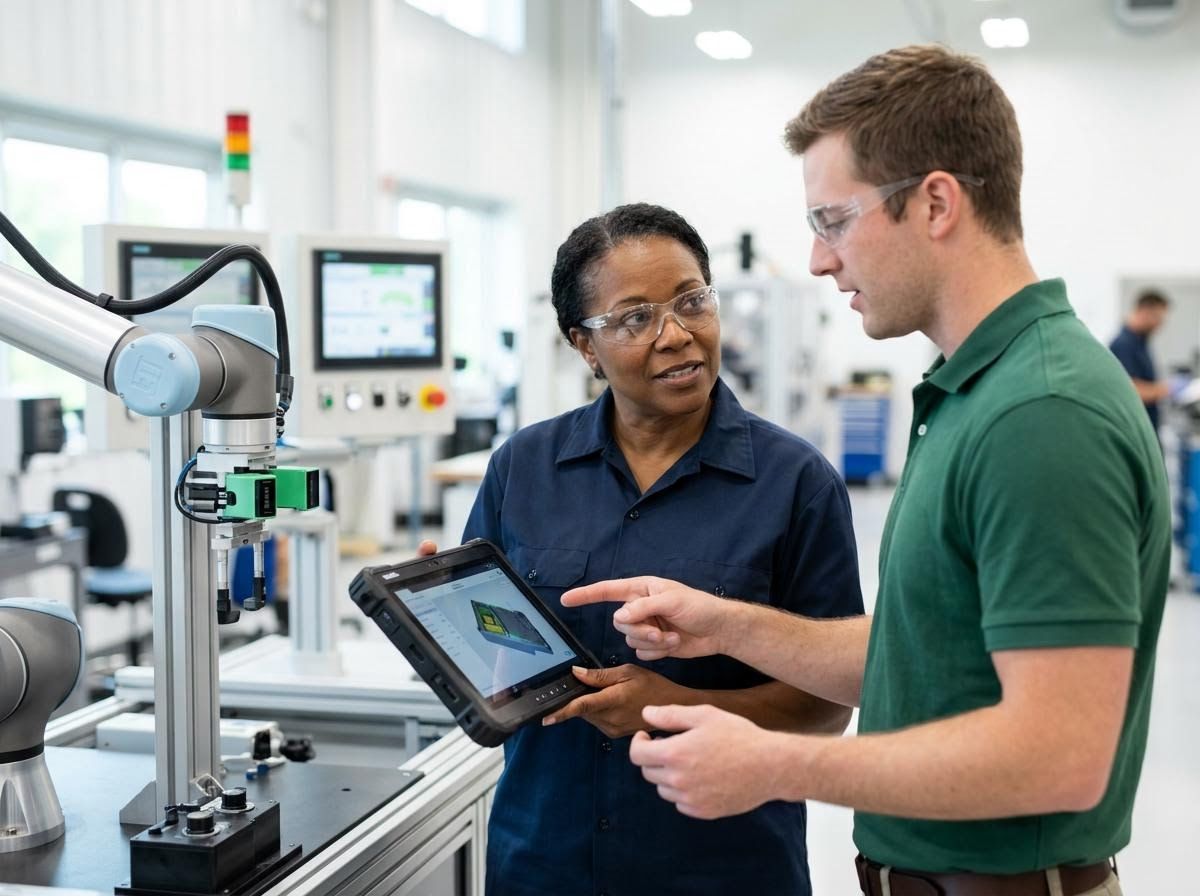
The journey towards an advanced manufacturing landscape, marked by the rapid evolution of Industry 4.0, presents both immense opportunities and significant challenges, especially for economically inclusive suppliers. Many such businesses face a digital divide, hindering their ability to adopt crucial technologies and remain competitive. Domestic Manufacturing Supply Chain Alliance (DMSCA) is dedicated to helping these vital businesses bridge this gap, ensuring a resilient and equitable supply chain for the future. Understanding and overcoming these tech-adoption hurdles is paramount for unlocking their full potential and integrating them seamlessly into modern supply networks.
Understanding the Digital Divide in Manufacturing
For many economically inclusive suppliers, the concept of Industry 4.0 can seem daunting. The digital divide isn't just about internet access; it encompasses a gap in technological infrastructure, digital literacy, access to capital for investment, and specialized expertise. While large corporations might readily adopt automation, AI, and big data analytics, smaller and diverse suppliers often lack the resources or clear pathways to implement such transformative technologies. This creates a barrier to entry for lucrative contracts and integration into advanced supply chains, hindering overall manufacturing supplier development. Addressing this divide is critical not only for individual businesses but for the robustness and diversity of the entire domestic manufacturing base.
Strategies for Overcoming Tech-Adoption Hurdles
Bridging this gap requires a multi-faceted approach centered on education, accessibility, and strategic partnerships. One crucial step is demystifying the technologies associated with Industry 4.0 for small manufacturers, breaking down complex concepts into manageable, actionable steps. This includes offering tailored training programs that focus on practical applications of digital tools, from basic data analytics to collaborative robotics. Financial support mechanisms, such as grants or low-interest loans, can also help offset initial investment costs. Furthermore, creating mentorship opportunities where experienced industry leaders guide emerging suppliers through their digital transformation journey can significantly accelerate adoption, promoting effective smart manufacturing supplier development.
Embracing Smart Manufacturing for Growth
Adopting Industry 4.0 principles offers a wealth of benefits that extend beyond mere technological upgrades. For economically inclusive suppliers, it means enhanced operational efficiency, reduced waste, improved product quality, and the ability to adapt quickly to market demands. Smart manufacturing capabilities open doors to new markets and partnerships, as prime contractors increasingly seek suppliers with modern, digitally integrated operations. Becoming certified economically inclusive manufacturing suppliers who are also tech-savvy positions these businesses as invaluable assets, contributing to a more diversified, innovative, and resilient supply chain. This evolution ensures their sustained growth and competitive edge in the global market.
Collaborative Support for a Connected Future
Closing the digital divide for economically inclusive suppliers is not merely a matter of technological upgrades; it is about fostering a stronger, more adaptable, and equitable manufacturing ecosystem. By embracing focused training, strategic investments, and collaborative support, these businesses can overcome adoption hurdles and thrive within Industry 4.0. Domestic Manufacturing Supply Chain Alliance (DMSCA) provides specialized courses and resources designed to empower suppliers with the knowledge and tools needed to navigate this transformation successfully. To learn more about how vocational training can help your business or your suppliers integrate into the smart manufacturing future, explore our educational programs and partnerships.