The manufacturing landscape is undergoing a profound transformation, driven by the rapid integration of artificial intelligence and automation into daily operations. This evolution necessitates a proactive approach to workforce development, ensuring that our skilled laborers are equipped to thrive in these new environments. Domestic Manufacturing Supply Chain Alliance (DMSCA) is committed to supporting businesses in preparing their shop-floor talent for the challenges and opportunities of AI-driven manufacturing.
The Evolution of the Shop Floor with AI
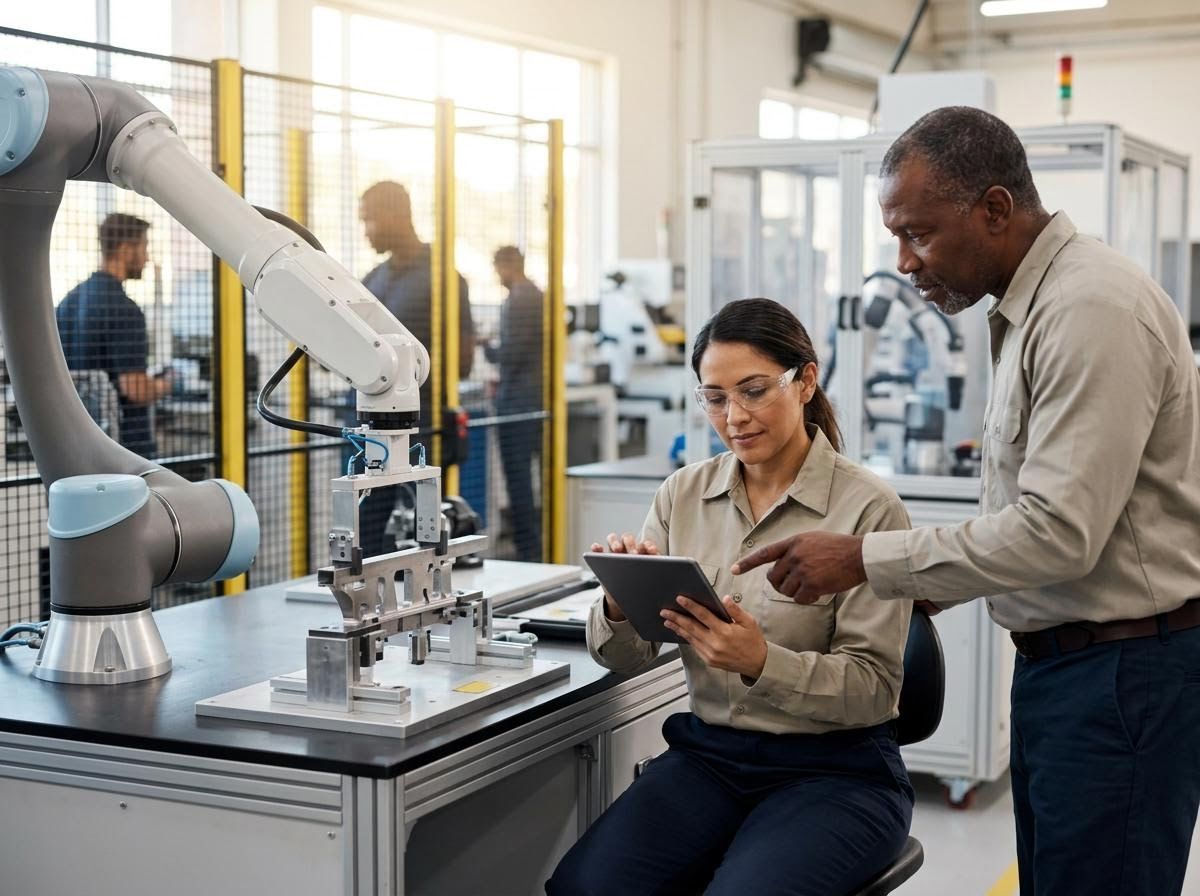
The advent of AI and advanced robotics is reshaping every facet of manufacturing, moving beyond simple automation to intelligent systems that learn and adapt. This paradigm shift means that traditional roles are evolving, demanding new competencies from the workforce. For Industry 4.0 for small manufacturers, this isn't just about adopting new machines; it's about fundamentally rethinking processes and empowering employees with the skills to interact with these intelligent systems. From predictive maintenance powered by machine learning to AI-assisted quality control, the shop floor is becoming a data-rich environment where human expertise and artificial intelligence collaborate to enhance efficiency and innovation.
Critical Skills for Tomorrow's Manufacturing Workforce
As AI becomes more prevalent, the demand for specific skill sets will intensify. Workers will need to develop a strong foundation in data literacy to interpret the insights generated by AI systems, alongside enhanced problem-solving and critical thinking abilities to troubleshoot complex automated processes. Understanding how to interact with human-machine interfaces, program robotic assistants, and adapt to rapidly changing technologies will be paramount. This focus on continuous learning is crucial for successful manufacturing supplier development, ensuring that the entire supply chain remains robust and adaptable in the face of technological change.
Implementing Effective Upskilling and Reskilling Strategies
To bridge the skills gap, manufacturers must invest in comprehensive upskilling and reskilling initiatives. This includes developing tailored training programs that cover topics like AI fundamentals, advanced robotics operation, data analytics, and cybersecurity awareness. Partnerships with vocational training institutions, technology providers, and industry associations can offer invaluable resources and expertise. Furthermore, fostering a culture of continuous learning within the organization encourages employees to embrace new technologies and adapt to evolving job requirements. These proactive steps are essential for cultivating smart manufacturing supplier development throughout the ecosystem.
Cultivating an Inclusive and Future-Ready Talent Pool
Beyond technical skills, the shift to AI-driven manufacturing also presents an opportunity to build a more inclusive and diverse workforce. By providing accessible training and development pathways, companies can empower a broader range of individuals to participate in the high-tech manufacturing sector. Investing in programs that support career transitions and skill enhancement for underrepresented groups can lead to a richer pool of talent. Developing certified economically inclusive manufacturing suppliers not only strengthens the supply chain but also fosters community growth and ensures that the benefits of technological advancement are widely shared.
Building a Resilient Domestic Manufacturing Future
The journey towards an AI-driven manufacturing future requires a dedicated commitment to workforce development and continuous learning. By proactively upskilling our shop-floor talent, we can ensure the domestic manufacturing supply chain remains resilient, competitive, and innovative. Domestic Manufacturing Supply Chain Alliance (DMSCA) is dedicated to providing the resources and training necessary for businesses and their employees to excel in this evolving landscape. To explore how your organization can benefit from specialized programs designed for the future of manufacturing, learn more about our offerings and initiatives.